Cleaning and Maintaining Solar Panels in Thailand's Dust and Pollen Conditions
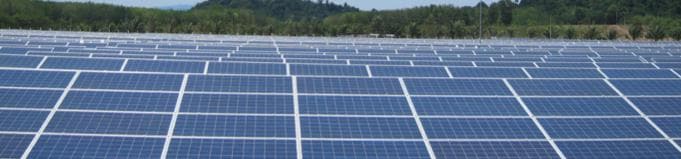
Dust, pollen, and grime that accumulate on solar panels are one cause of gradually declining generation performance that homeowners may not notice right away. This article covers upkeep suited to Thailand's climate.
How Dust and Grime Affect Performance
Dust accumulated on a panel's surface blocks some sunlight from reaching the generating cells directly, reducing output roughly in proportion to how thick the buildup is. In dustier areas — near main roads or construction sites — this effect is more noticeable than elsewhere.
How Often to Clean
Cleaning frequency depends on the surrounding environment. As a general guide, every 3-6 months works for most homes, but homes near construction, dusty roads, or large trees dropping leaves and pollen may need more frequent cleaning. You can gauge this by watching generation output in the inverter's monitoring app.
How to Clean Safely and Correctly
Use clean water and a soft cloth or brush, avoiding harsh chemicals or abrasive cleaners. Don't clean while panels are hot from direct sun, since sudden temperature change can stress the panel's glass surface — early morning or evening, when panels have cooled, is best.
DIY Cleaning vs Hiring a Professional
For single-story homes with safe, easy roof access, basic cleaning may be manageable yourself. For two-story homes or steeply pitched roofs, it's worth hiring a professional with proper safety equipment to avoid a fall accident.
Other Checks Worth Doing Alongside Cleaning
While cleaning, check wiring condition, mounting points, and any cracks on the panel surface. If anything looks off, contact your installer promptly for an inspection, to prevent a small issue from developing into a safety problem.
Let us keep your solar system running well
STR offers ongoing maintenance service after installation, to keep generation performance close to design specifications throughout the system's life.
Get a Free Quote