Is Rooftop Solar Worth It for Your Home? Payback Period Explained
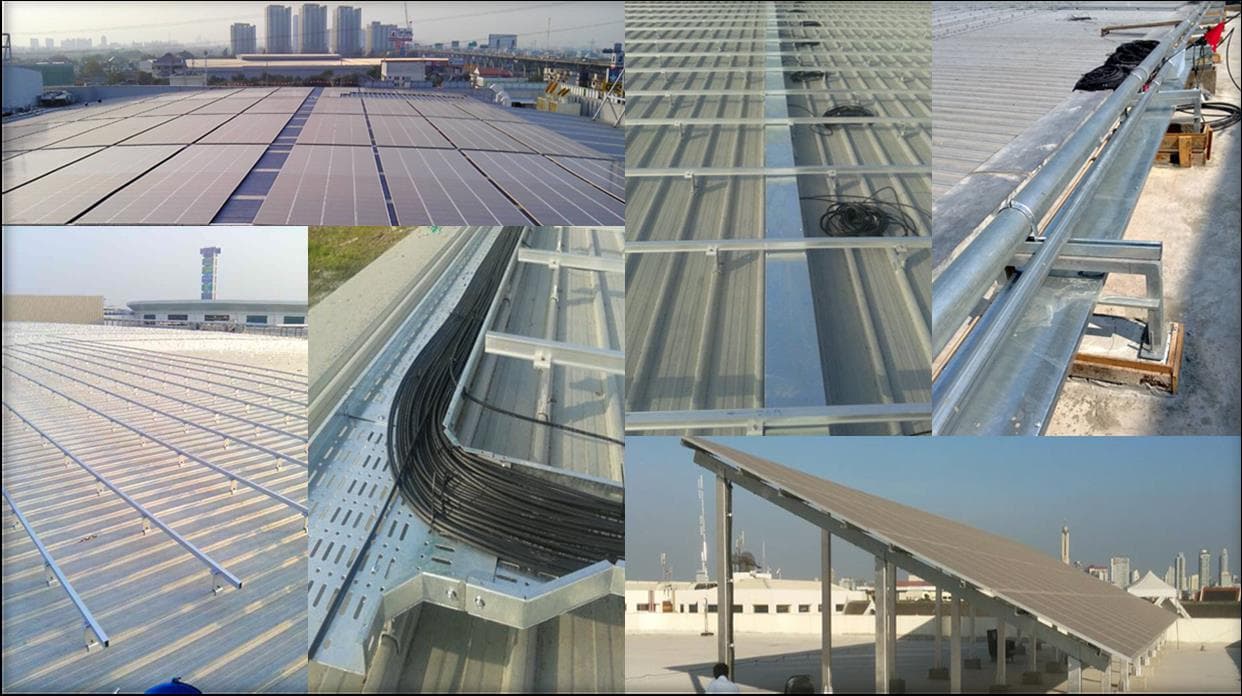
The first question most homeowners ask before installing rooftop solar is simple: is it worth it, and how many years until it pays for itself? This article walks through the real numbers behind that calculation, the factors that make payback faster or slower for different homes, and how to evaluate your own case before investing.
The Upfront Cost of a Home Solar System
A typical residential rooftop system falls somewhere between 3-10 kW, depending on the household's electricity usage. Cost per kilowatt includes the panels, inverter, mounting structure, electrical design, installation labor, and the paperwork to register with your local electricity authority. Larger systems tend to have a slightly lower cost per kilowatt, since some installation and control equipment costs stay fixed regardless of system size. Getting a quote from an installer who actually surveys your roof will always be more accurate than any online estimate.
A Simple Way to Calculate Payback
The basic payback formula is: total installation cost divided by annual savings on your electricity bill. For example, if a system costs 150,000 THB and cuts your monthly bill by 1,500-2,000 THB (18,000-24,000 THB per year), payback lands around 6-8 years. Solar panels today are typically rated for 20-25+ years of useful life, which means that after payback, the household effectively gets 10-15+ more years of electricity at almost no additional cost.
What Makes Payback Faster or Slower
The single biggest factor is when your household actually uses electricity. Families who are home during the day and run air conditioning then (which coincides with peak solar generation) get the most direct benefit from the power as it's produced, without needing battery storage. Homes that are empty during the day may need to consider a battery storage system to capture that value later, which adds cost and extends payback. Roof orientation, tilt angle, and shading from nearby buildings or trees also meaningfully affect how much power the system actually generates.
Maintenance Costs to Factor In
Rooftop solar has low maintenance costs compared to most other home energy systems. The main tasks are periodic panel cleaning to remove dust that blocks sunlight, and inverter checks — the inverter typically has a shorter lifespan than the panels themselves (often 10-15 years). Choosing an installer with genuine after-sales service and a clear warranty reduces the risk of unexpected costs down the road, which keeps your payback calculation accurate over the system's full lifetime.
Start With Your Real Electricity Data
Before deciding, pull your last 6-12 months of electricity bills to see your actual usage pattern. Then have an experienced installer survey your site — measuring roof area, orientation, and shading — to design a system sized correctly for your home. An accurate payback number comes from your home's real data, not a generic average.
Want to know the real payback number for your home?
STR's team is happy to survey your roof and design a rooftop solar system sized for your home, with a detailed payback estimate — at no cost.
Get a Free Quote